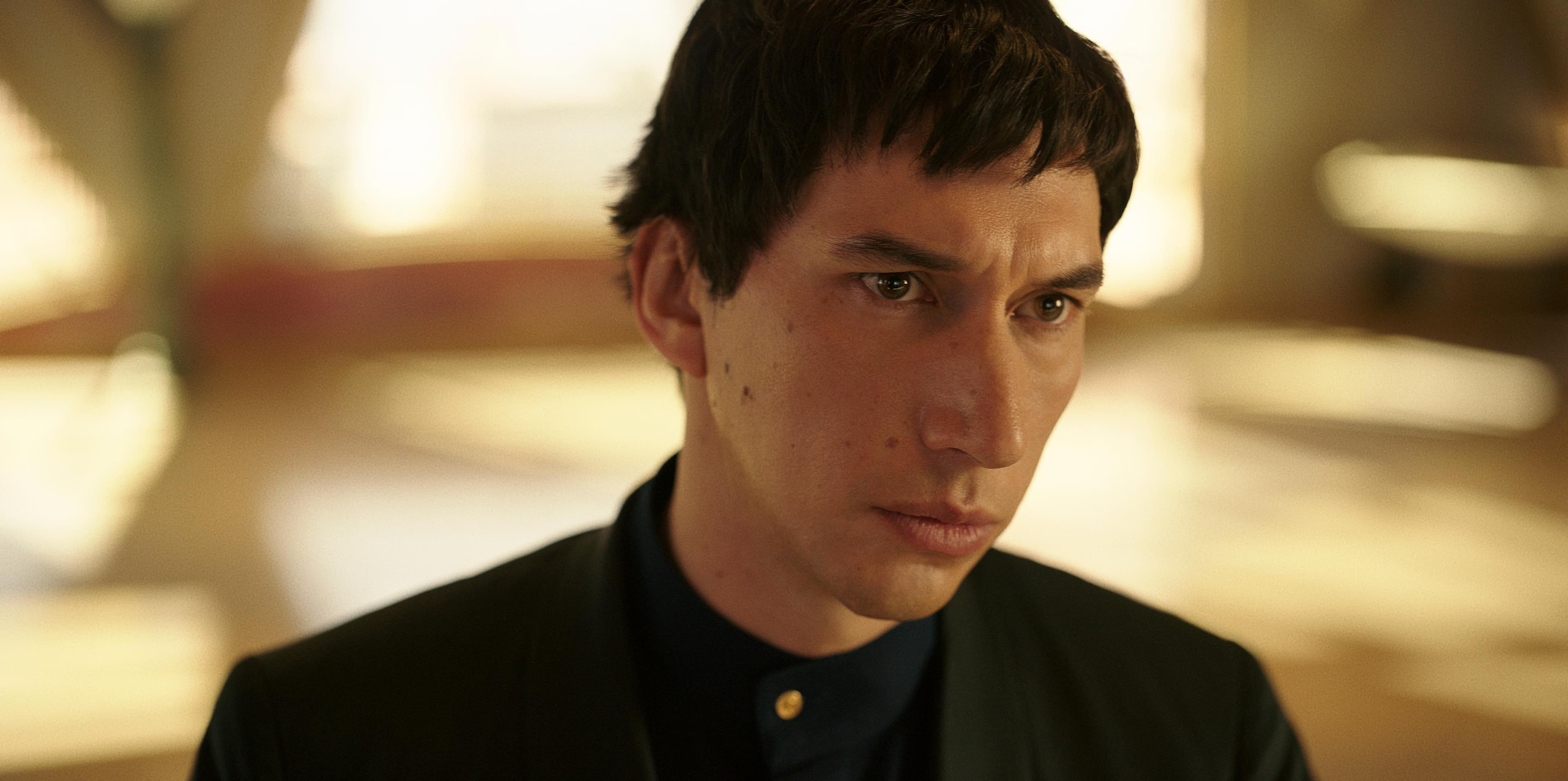
“I have no comment on any of that. I’m saving it all for my book.” With those eleven words, Adam Driver has broken a prolonged silence regarding allegations made by his former Girls co-star and creator, Lena Dunham. The statement, delivered during a recent press engagement, was not a denial, nor an affirmation, but a calculated deferral that has immediately sent ripples through Hollywood.
Driver's terse response marks the first time the notoriously private actor has publicly acknowledged the claims. It transforms what might have been a fleeting moment of celebrity gossip into a potential future reckoning, hinting at a detailed, perhaps even explosive, account to come. The implications are significant, not just for the individuals involved, but for the ongoing industry conversation about power dynamics and professional conduct on set.
The Allegations That Sparked the Silence
The allegations from Lena Dunham emerged over the past year, primarily through interviews and essays where she discussed the complexities of their working relationship on the HBO series Girls. Driver played Adam Sackler, the tumultuous on-again, off-again boyfriend of Dunham's character, Hannah Horvath, for six seasons. The role launched Driver into stardom, eventually leading to his acclaimed turns in films like Marriage Story and the Star Wars sequel trilogy.
Dunham's comments have varied in specificity but generally pointed to a challenging dynamic. She has spoken about Driver's intense method acting approach, which she described as sometimes blurring the lines between character and reality on set. More pointedly, she alluded to instances of what she perceived as manipulative or unprofessional behavior, creating an environment that she found difficult to navigate as both a co-star and the showrunner. While never explicitly accusing Driver of misconduct in a legal sense, her public reflections painted a picture of a fraught professional relationship that left a lasting impact.
For months, Driver remained silent, a characteristic move for an actor known for guarding his personal life and rarely engaging with public controversies. This silence, however, only amplified the speculation, leaving many to wonder if he would ever address the claims directly. His recent statement, therefore, is not just a response, but a strategic move to control the narrative, albeit one deferred to a future date.
A Calculated Deferral and Its Industry Impact
Driver's decision to save his full account for a book is a classic maneuver in the celebrity playbook. It allows him to sidestep immediate media scrutiny, avoid soundbites, and present his perspective in a comprehensive, unfiltered format. This approach grants him maximum control over the narrative, something often lost in the rapid-fire world of entertainment news cycles. It also builds anticipation, ensuring that when his book eventually arrives, it will be met with intense interest and scrutiny.
The choice to write a book also suggests the story is complex, requiring more than a brief statement to convey. It implies a narrative with depth, context, and perhaps even counter-allegations or a different interpretation of events. For an actor who has carefully curated an image of serious artistry, this move aligns with a desire for substance over sensationalism, even if the subject matter itself is inherently sensational.
Industry observers are already weighing the potential impact. While Driver's career has largely been unaffected by Dunham's comments, a tell-all memoir could reignite the conversation, forcing a re-evaluation of past events. It also places Dunham in a difficult position, as she will likely face renewed questions and potentially a rebuttal to her own public statements. The situation underscores the enduring power of personal narratives in shaping public perception, especially in an industry where professional and personal boundaries can often blur.
The Broader Conversation on Set Dynamics
The Driver-Dunham dynamic is not an isolated incident. It feeds into a larger, ongoing conversation within Hollywood about workplace culture, power imbalances, and the responsibilities of actors, directors, and showrunners. The #MeToo movement brought many of these issues to the forefront, leading to increased scrutiny of set environments and a greater emphasis on professional conduct.
Driver's method acting, while often praised for its intensity and commitment, has also been a point of discussion in other contexts. Actors who fully immerse themselves in roles sometimes face criticism for the impact this has on their co-stars and crew. Dunham's allegations, therefore, resonate with a broader concern about how creative intensity can, at times, cross into unprofessional territory, and who bears the responsibility for managing those boundaries.
His decision to address the matter in a book also highlights the evolving landscape of celebrity communication. In an era where social media allows for instant responses, Driver's choice to opt for a more traditional, long-form medium is a deliberate one. It signals a desire for a definitive statement, rather than a series of reactive comments. This approach, while delaying immediate answers, promises a more thorough exploration of the events in question.
What Comes Next?
The immediate aftermath of Driver's statement is one of heightened anticipation. The entertainment world will now be watching for any news of a book deal, a publisher, or a release date. The content of such a memoir could range from a direct refutation of Dunham's claims to a nuanced account of the pressures and challenges of working on a groundbreaking, yet often controversial, series.
For Lena Dunham, the ball is now, in a sense, back in her court. While she has already shared her perspective, the prospect of Driver's counter-narrative will undoubtedly shape future discussions about her own experiences. The situation serves as a stark reminder that in Hollywood, stories are rarely simple, and often, there are multiple versions waiting to be told.
Key Takeaways
- Adam Driver has publicly addressed Lena Dunham's allegations for the first time, stating he will save his full comments for a forthcoming book.
- This cryptic response is a calculated move to control the narrative and defer a detailed explanation to a long-form medium.
- The statement intensifies anticipation for Driver's future revelations and reignites scrutiny on the complex working relationship between the two actors on the set of Girls.
The industry will now await further details on Driver's potential memoir, which promises to offer a significant, and likely contentious, new perspective on a high-profile Hollywood dynamic. The question is no longer if he will speak, but when, and with what detail.


